GoBituary Rekindled

Interior

Using art to inspire familiarity and spark conversations

Visual Design

UX/UI

Challenge

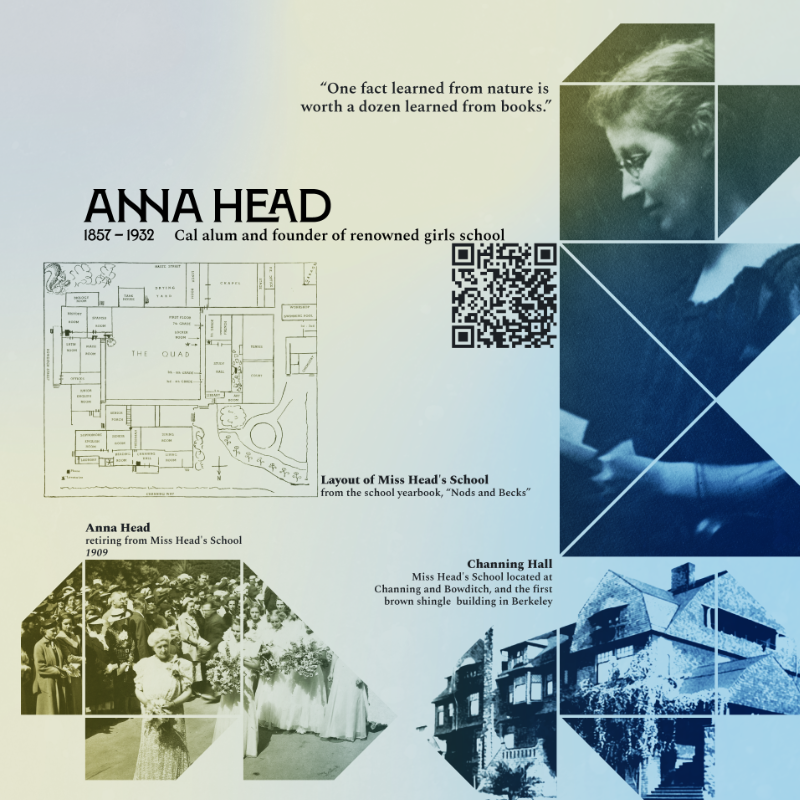
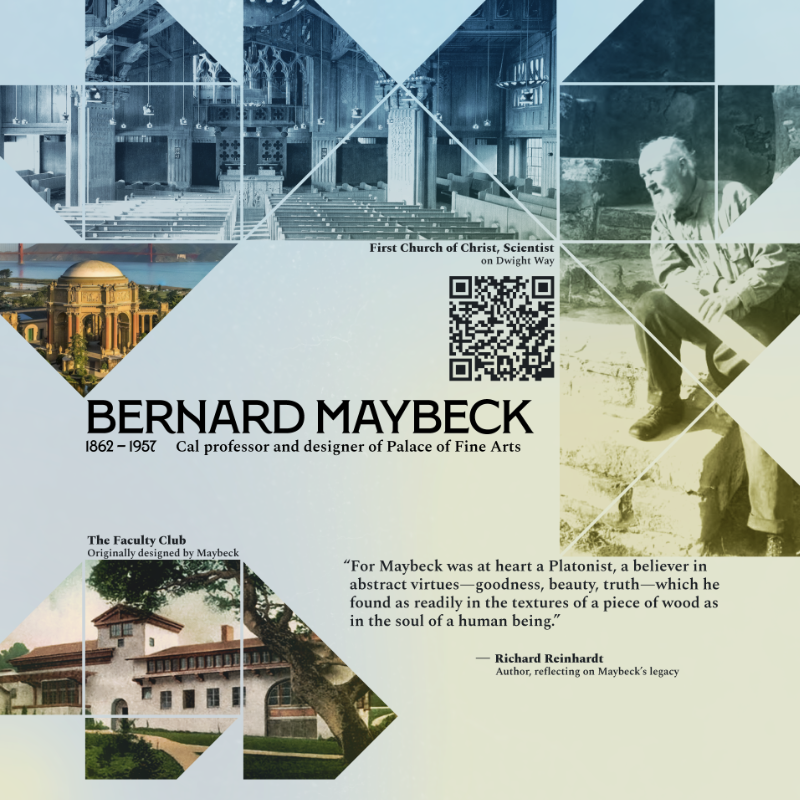
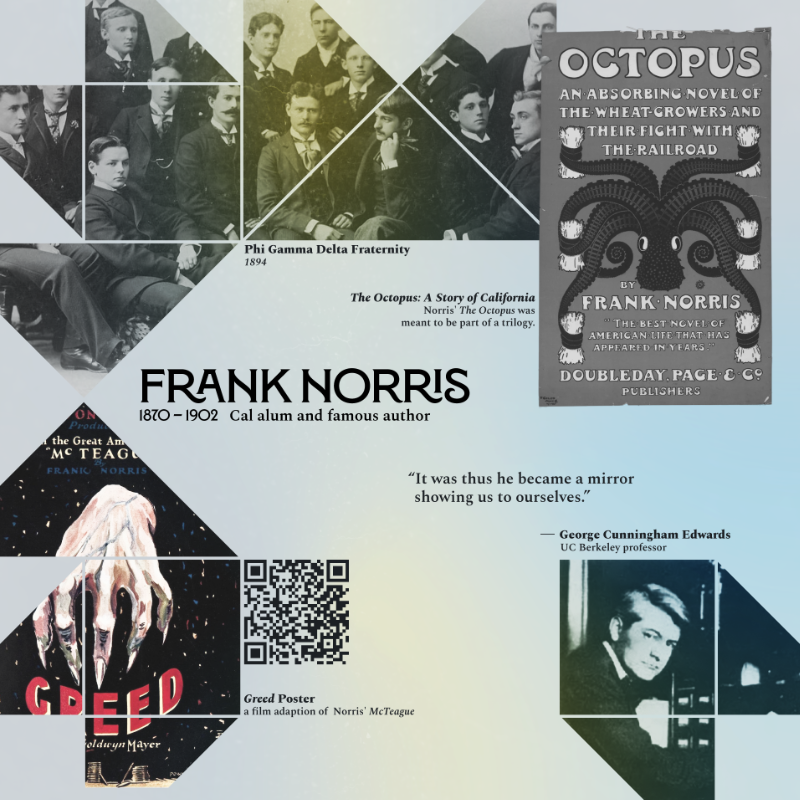
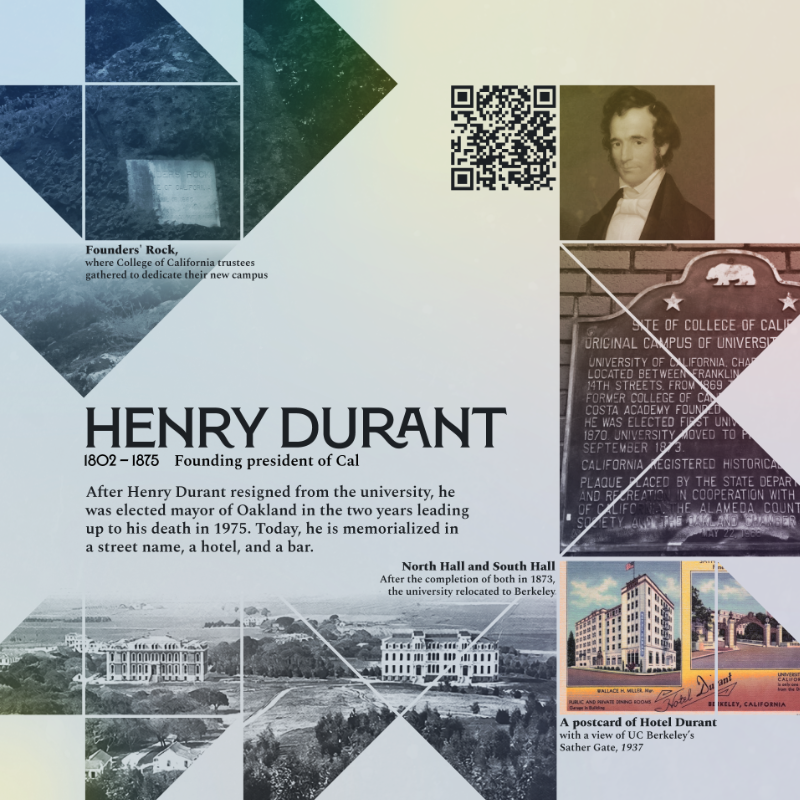
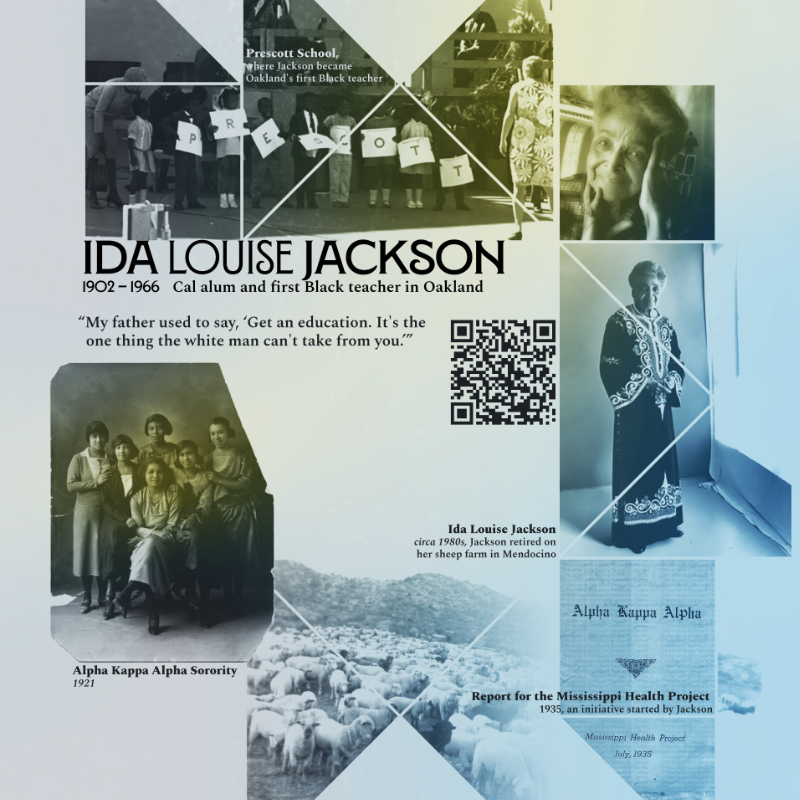
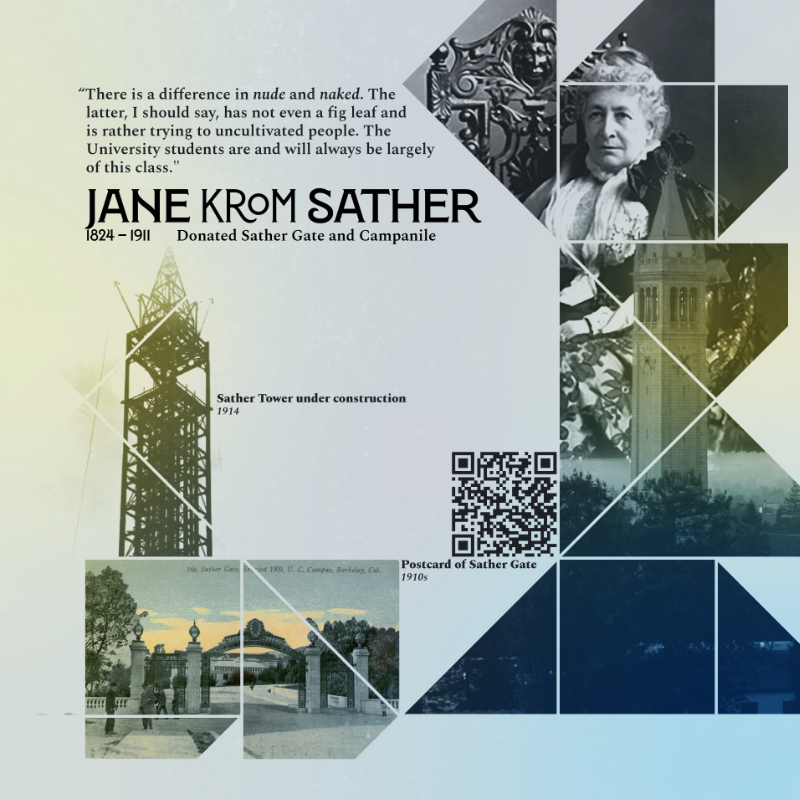
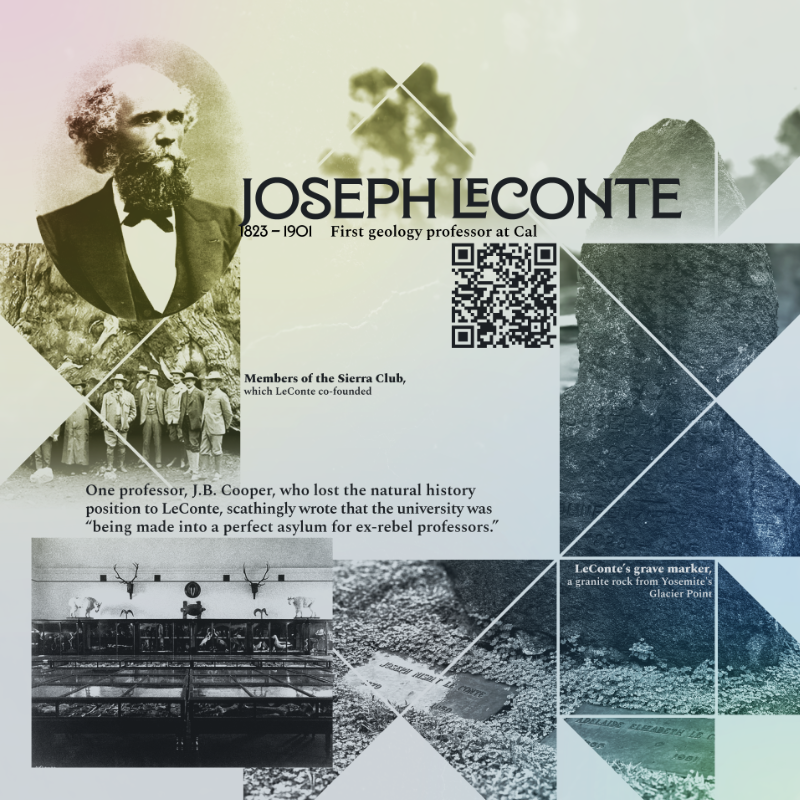
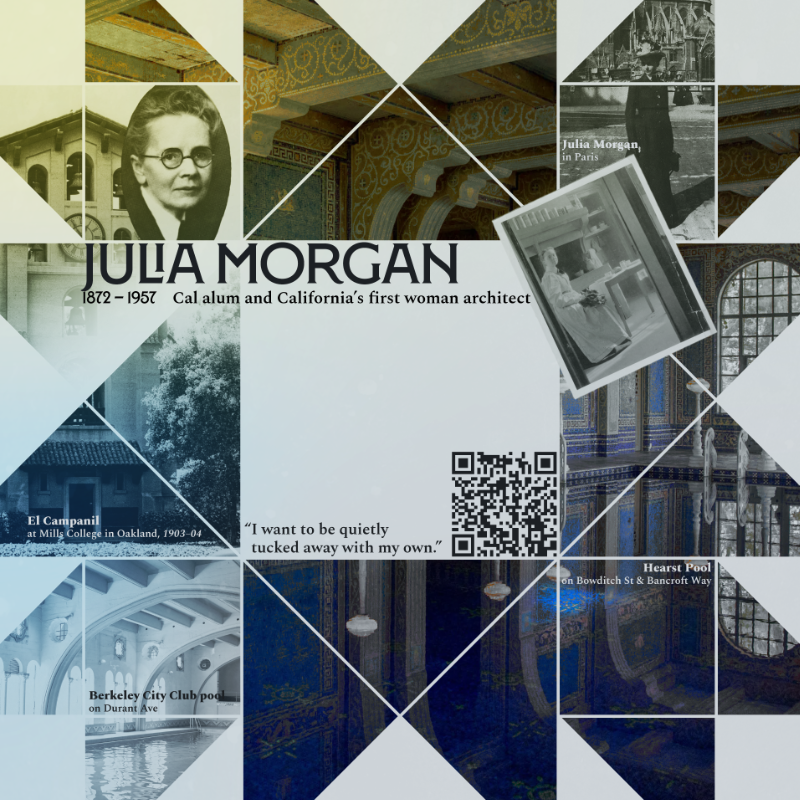
As part of the larger Gobituary Rekindled project, we wanted to capture a snapshot of someone's contributions to a community in a single, representative image. Controversial figures should be navigated delicately, as while harmful contributions should not be celebrated, helpful ones should also not be dismissed.

Solution

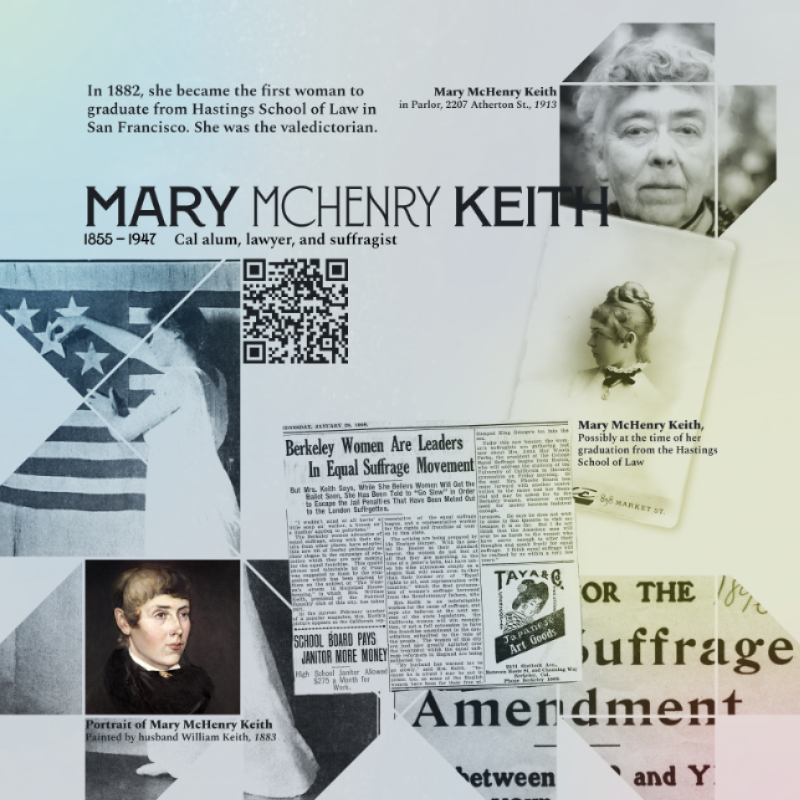
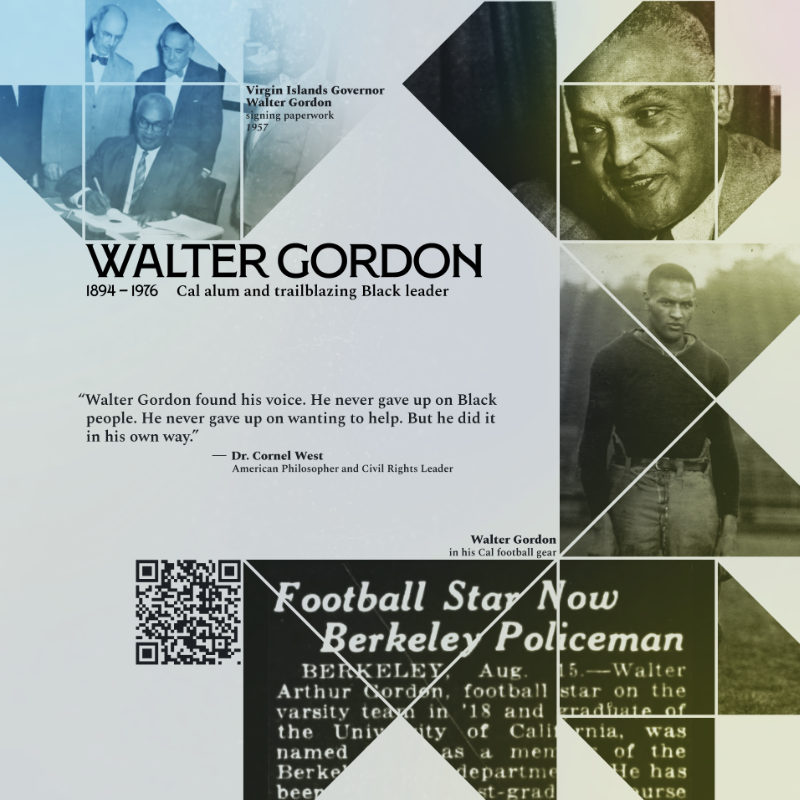
Inspired by storytelling traditions of quilts seen across many cultures, we created a series of collages that highlight a curated collection of points of interest. Each collage is embeded with a unique QR code that links to a webpage with more context.

Process

Research


How much information do people want?

This was the central question that guided how we went about presenting details for each of the ten historical figures. As our goal was to inspire a deeper appreciation for the ways an individuals contribute to their communities, we wanted to avoid simply writing biographies about our selection of people that are generally familiar if not outright well-known (or infamous).

Incorporating an interactive visual medium was a natural solution, but we still had to resolve how to go about doing it. While exploring and resolving our research questions (through interviews, tours, and visits to memorial sites), several key realizations arose:

  1. Stories are memorable when they're relevant.
  2. Stories can be told in parts.
  3. Imagination is part of the fun.

While it may be that people who voluntarily participate in cemetery tours already have an inherent appreciation for history, most people do like a good story. Real stories are especially effective at invoking empathy. However, you are never given the full story, even on tours. Even where available, it would take far too long to retell the entire birth-to-death history of a single person's life, let alone the thousands a cemetery could potentially hold. This lack of information doesn't impede understanding or appreciation, but necessitates a sort of interactive loop in which the visitor is responsible for filling in the blanks. Interviewees routinely expressed that visiting places that hold collections of remnants of the past inspired them to imagine what life might have been like back then.

Curation

While we initially sought to showcase 50-100 people located in a single specific cemetery that we built a relationship with during our research, the cemetery was hesitant to partner with us directly for this project.

This decision led us to move our monument out of the cemetery entirely. The next best place for it was our university's campus. So we narrowed down our overall scope of the project and narrowed down to ten figures related to UC Berkeley. Almost all of the figures were buried in the cemetery we originally hoped to work with, as we still had access to the historians that helped us gather and present our information. The other criteria for our selection of the historical figures was the following:

  • Lasting legacy for the campus or surrounding community
  • Association with a physical location that can be visited
  • The name is generally familiar, even if only on a superficial level

We used our own sense of judgement for the information about each figure we chose to showcase for this project. Some difficult decisions had to be made when presenting controversial figures, but we chose to not shy away from history and presented the information with guidance from professional historians. We didn't want to celebrate any particular individuals, especially given the controvesy of some in our selection. Rather, our goal was to highlight how individuals might contribution to a larger community, or be affected by the contributions of other individuals.

Branding

Logo

While much of the imagery is naturally inspired by cemeteries and tombstone design, we felt it would be tonal mismatch to focus solely on depictions of death. The setting is still used for texture, but we aimed for something lighter. The wordmark evokes the slopes, sharp edges, and geometric motifs of tombstones, but the typeface is not one that would likely appear on a tombstone. Still, the appearance of serifs keep it rooted to callback, without explicitly referencing a specific time period.


The wordmark is a redesign of GoBituary's original logo. Its primary font is a slightly modified Montecatini Pro Largo Ultra. The Montecatini Pro family is used throughout the project's deliverables.

Motifs

Because the historical figures chosen for this project all happened to be associated with UC Berkeley, most of the visual system takes cues from the university's established motifs. This project in particular might be tied to this setting, but in invisioning potential future iterations of GoBituary Rekindled to work with other institutions, communities, and/or groups of individuals, the design only nods to their collective commonality of UC Berkeley, rather than aiming at a full integration of school spirit.